
If you’ve been told you need a commercial gas safety certificate or a CP42 and aren’t sure which one applies to your situation, you’re not alone. Many business owners, landlords, and managing agents often use these terms interchangeably, which can make booking the right inspection confusing. Understanding the difference is important to ensure your premises meet safety standards and comply with insurance or legal requirements.
This guide will help clarify what each certificate covers, who needs them, and how to prepare for your gas safety check.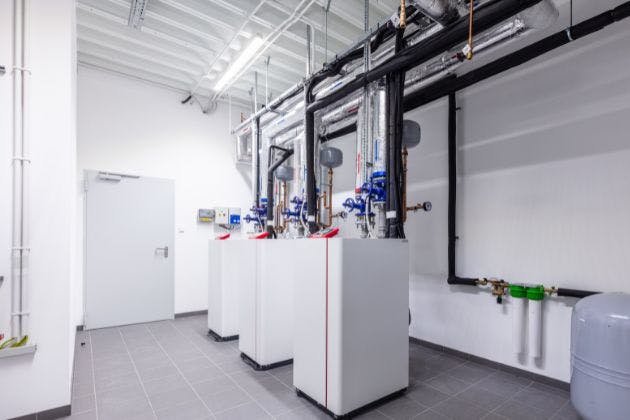
Commercial gas safety certificate and CP42 in simple terms
In everyday language, a commercial gas safety certificate is any record confirming that gas appliances in a commercial building have been checked by a Gas Safe-registered engineer. It might relate to boilers, heaters, or catering equipment, depending on the site.
A CP42 is more specific. It is a particular type of commercial gas safety record commonly used for commercial catering kitchens, such as restaurants, school kitchens and takeaways. It covers both the appliances and the safety systems that support them.
Typical situations where each term is used
Although the checks are all part of commercial gas safety, the type of record you receive, and what is inspected can differ based on your premises. Common examples include:
Restaurant or takeaway kitchen: Usually needs a CP42 covering gas cookers, fryers, combi ovens, gas interlock system and mechanical ventilation.
Office boiler plant room: Often described as needing a commercial gas safety certificate for the boiler, pipework and flue.
Small retail unit with a boiler: Shop, salon or similar with a back-room boiler typically needs a general commercial gas safety check and record.
Mixed-use buildings: For example, flats above a shop may need domestic certificates for dwellings and commercial paperwork for the ground-floor premises or shared plant room.
If you are unsure, think about the main use of the space. A busy catering kitchen with gas cooking equipment usually points to a CP42, while offices and shops with only heating usually need a broader commercial certificate.
What actually gets inspected on a commercial visit
Although every premise is different, most commercial gas safety visits follow a similar pattern. The engineer will visually inspect and then test each gas appliance that falls within the scope you have agreed on when booking.
For boilers and heaters, checks usually include gas soundness testing, burner operation, flue performance, ventilation, and safety devices. Flues and chimneys are checked where accessible, and any visible pipework is examined for damage or corrosion.
For a CP42 catering inspection, the engineer will also pay close attention to the gas interlock system, canopy extraction, make-up air, and emergency isolation controls. The goal is to ensure that if ventilation fails, the gas supply shuts off correctly and combustion products are safely removed.
How often are checks usually arranged?
Most businesses arrange commercial gas safety checks on an annual basis. This fits with typical insurer expectations and keeps records easy to manage for audits and inspections.
Some higher-risk sites, such as very busy commercial kitchens or large plant rooms, choose more frequent checks as part of a planned maintenance schedule. Your Gas Safe engineer can suggest an interval that makes sense for your particular setup and usage.
Paperwork, certificates and warning notices
After the visit, you should receive a written record of the work carried out. For non-catering sites, this is often just called a commercial gas safety certificate or commercial gas safety record; for kitchens, it is typically laid out in a CP42 format.
The record will usually list each appliance, the results of safety checks, any defects found, and the engineer’s details and Gas Safe registration number. Keep this document safe, as insurers, local authorities or landlords may ask for it.
If the engineer finds a serious issue, they may issue warning notices. These can include categories such as “At Risk” or “Immediately Dangerous”, along with labels on the appliance and a recommendation to turn off or isolate the equipment until it is repaired.
"I have been asked for a CP42 by my insurer or landlord"
Insurers and landlords often use “CP42” as shorthand when they really mean a current commercial gas safety record for a catering kitchen. What they usually want is proof that your gas catering appliances and associated safety systems have been checked within the last year.
In practice, this means you will need to provide a recent CP42-style certificate that clearly lists your gas cooking appliances, interlock system, ventilation and any associated pipework that was inspected. The document should show the inspection date and the Gas Safe engineer’s details.
If your paperwork simply says “commercial gas safety certificate” but clearly shows all the catering equipment and kitchen safety systems, it may still satisfy the request. If in doubt, ask your engineer to confirm that the record they will issue is suitable for insurers and landlords.
Pre-visit preparation checklist
Preparing properly helps the engineer carry out a thorough inspection with minimal disruption to your business. Before the appointment, it is worth checking a few simple points.
Ensure all gas appliances that need checking are accessible, with clear space around them.
Make sure keys and access codes for plant rooms, basements and roof spaces are available.
Check that extraction fans and interlock systems can be operated during the visit.
Have previous gas safety records or service reports to hand for reference.
Let staff know the engineer is visiting, so equipment can be briefly taken out of use if required.
For catering sites, it is often easier to arrange the visit outside your busiest service times. This allows the engineer to test interlocks and ventilation without delaying food preparation.
Common questions about commercial gas safety
Is a CP42 different from other commercial gas certificates?
Yes, in the sense that it is tailored to commercial catering environments. It focuses on cooking appliances, extraction and gas interlocks as well as standard gas safety checks. However, it is still a form of commercial gas safety record completed by a Gas Safe registered engineer.
Do I need a CP42 if I only have a boiler?
If your commercial premises only have a gas boiler for heating and hot water, a standard commercial gas safety certificate is usually appropriate. CP42 is normally reserved for catering environments with gas cookers and similar equipment.
Can one visit cover both my kitchen and boiler room?
Often yes, provided you explain what you have on site when booking. The engineer can check your catering equipment under a CP42-style record and also complete a commercial gas safety check for boilers and other appliances in the same visit if agreed in advance.
Does my mixed-use building need both domestic and commercial checks?
In many mixed-use properties, the individual flats will have domestic gas safety checks, while shared plant rooms, commercial units or common boilers need commercial records. It is important to clarify the layout with your engineer so every area is covered correctly, especially in busy local centres and high streets.
Get the right commercial gas service for your premises
Whether you run a restaurant kitchen that needs a CP42 or manage offices and retail units that require a broader commercial gas safety certificate, choosing the right service keeps you compliant and your building safe. If remedial work or upgrades are needed, sorting them quickly will also help with insurer and landlord requirements.
For professional support, contact BCU Plumbing on 08002461041. You can book a commercial gas safety visit online via our commercial gas safety certificate service, and if you need repairs, alterations or new equipment, we also offer full commercial gas installations to bring your system up to standard.
EndFragment