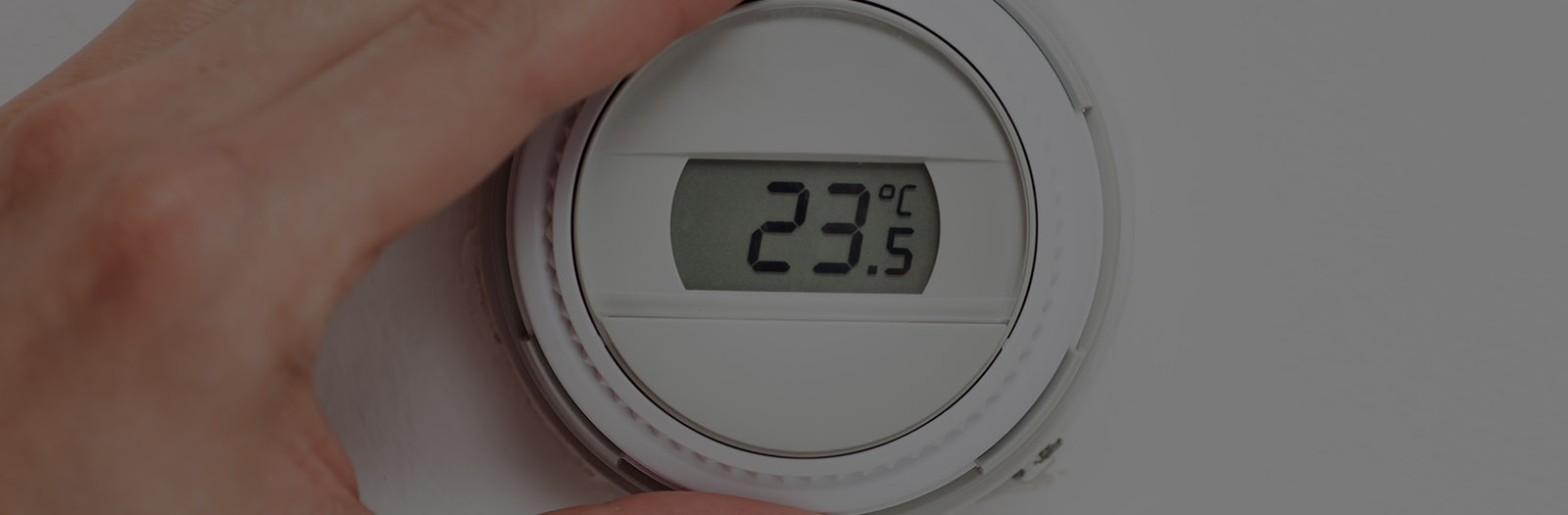
If your boiler isn’t responding to the thermostat, it can quickly become frustrating and worrying—especially on a cold evening when you need heating the most. Before you worry that the boiler has broken down, try some simple checks first. Often, these quick steps can resolve the issue and get your heating working again without the need for a costly repair. Taking a few minutes to troubleshoot could save you time and keep your home warm and comfortable.
First checks before you call an engineer
Start with the basics, as many heating problems turn out to be something small such as a setting, a battery, or a mode that has been changed by accident. All of the checks below are safe for homeowners and do not involve taking covers off or touching any wiring.
Begin in the room with the thermostat and then work your way to the boiler and controls, noting anything that looks unusual or has recently been changed.
Check the thermostat settings: Ensure the temperature is turned up above the current room temperature and that the heating is set to "on" or "schedule" rather than "off".
Confirm the time and programme: If the clock has changed or reset, the heating schedule may be out of sync, so your thermostat may not be calling for heat when you expect.
Try a manual boost: Most thermostats have a temporary override or boost function; set this to see if the boiler responds.
Checks for wireless thermostats and receivers
Wireless room thermostats use radio signals to talk to a receiver near the boiler. If that link is broken or the receiver is off, the boiler will not know you want heating, even if the thermostat looks fine.
First, replace the batteries in the thermostat with fresh, good-quality ones. Low batteries can cause the screen to dim, lose the time and programme, or drop the signal to the receiver.
Next, look at the receiver unit by the boiler. There are usually small lights showing whether it has power and whether it is receiving a call for heat. A power light that is off or flashing may suggest a problem with the supply or with the controls that an engineer should investigate.
If your make and model support it, you can often press a manual button on the receiver to turn the heating on. If the boiler fires when you press the receiver button but not when you use the thermostat, that points towards a thermostat, battery, or pairing issue rather than a boiler fault.
Checks for wired room thermostats
With wired thermostats, there is no battery in the room stat unless it is a programmable type. If it has a display and batteries, change them first to rule out low power.
Make sure the thermostat is not set very low, switched to frost mode, or turned to "off". Gently turn the dial or raise the set temperature and listen for a small click; this can indicate the thermostat is sending a signal, although the absence of a click does not prove a fault.
Check that the thermostat is not being affected by a draught, a nearby radiator, or direct sunlight. If it is sat over a radiator, above a TV, or in full sun, it may think the room is warm enough and stop calling for heat while other rooms feel cold.
Boiler and system checks you can safely do
Check boiler mode and indicators
Look at the boiler display or control panel and confirm it is in the correct mode. For a combi or system boiler, you normally want heating and hot water enabled, not hot water only.
Check for any fault codes or flashing warning lights. If you see a code, make a note of it, as this will help a heating engineer diagnose the issue more quickly.
Check boiler pressure
On most modern sealed systems, low pressure can stop the heating working or limit how the boiler responds. Look at the pressure gauge on the boiler.
In many homes, pressure should sit around 1 to 1.5 bar when the system is cold. If it is well below 1 bar, the boiler may lock out or refuse to fire for heating, which can look like a control issue.
If you are unsure how to top up the pressure safely, refer to your manufacturer instructions or a dedicated boiler pressure guide, or contact a professional for help rather than guessing.
Symptom matcher: what your heating behaviour suggests
Hot water works but heating does not
If your boiler gives you hot water but the radiators stay cold, the problem is often in the controls or the heating side of the system. Common causes include a faulty room thermostat, an issue with the wireless link, or a sticking or failed zone valve that controls the heating circuit.
It can also be due to incorrect programming, low pressure affecting the heating side, or a setting on the boiler that has been accidentally changed to hot water only.
Heating works but thermostat does nothing
If the radiators get hot but changing the thermostat makes no difference, the boiler may be running on a manual override or a stuck relay. In some cases, a wiring fault or a failed zone valve head can hold the heating "on" regardless of the room stat.
Here, it is important not to open the boiler or wiring centre yourself. An engineer can test whether the thermostat is actually switching and whether the valves and wiring are operating as they should.
Intermittent heating
Heating that works some days and not others is often the hardest to track down, but there are common patterns. Weak wireless signals, loose connections on external controls, and early-stage faults in motorised valves can all cause stop-start heating.
Look for patterns such as the heating failing at the same time of day or only when it is very cold. Note these down, as they will help a Gas Safe engineer or electrician find the fault more quickly.
Common causes of boilers ignoring thermostats
Once you have done the basic checks, it helps to understand what might be going on behind the scenes. Several parts need to work together for your boiler to respond correctly to the room stat.
Frequent culprits include faulty room thermostats, failed wireless pairing between the stat and receiver, and problems with motorised zone valves that direct heat to different parts of the system. Wiring faults in external controls or an ageing programmer can also stop the boiler getting the right signal.
These issues are not safe for homeowners to investigate inside the boiler or wiring centre. A qualified professional can test components, check voltages, and replace any failed parts safely.
Who to call: Gas Safe engineer or electrician?
In most cases where your boiler is not responding to the thermostat, your first call should be a Gas Safe registered heating engineer. They understand both the boiler and the heating controls and can quickly tell if the issue lies with the boiler, valves, or room stat.
An electrician may be needed if there is a clear electrical problem with the external wiring or the household circuits feeding the controls. Often, a heating engineer will identify this and advise you if an electrician is required for follow-up work.
If you are in Gravesend, Medway or Dartford and your heating is not responding properly, you can book a diagnostic visit with BCU Plumbing. Call +448002461041 to arrange a convenient time for an experienced Gas Safe engineer to investigate and get your heating running reliably again.