If your boiler pressure keeps slipping down, it can be worrying and frustrating, especially when it causes your heating or hot water to stop working properly. The good news is that many causes are simple and easy to fix, as long as you know what to check and when to call in a professional. Understanding the common reasons behind pressure drops can help you take quick, safe action to keep your home warm and avoid costly repairs.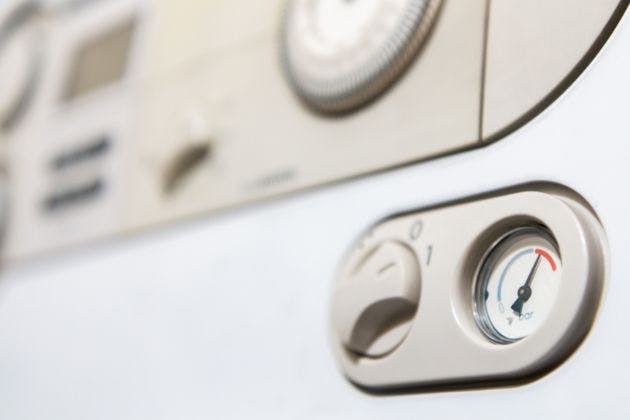
What normal boiler pressure looks like
On most domestic boilers, normal pressure when the system is cold is usually around 1.0 to 1.5 bar. As the system heats up, it may rise to around 2.0 bar. Always check your boiler manual for the correct range for your model.
The gauge will often have a green section for the normal range and red sections for too low or too high. Consistently low pressure means the system is losing water somewhere, which can lead to frequent boiler lockouts and extra strain on components.
Common reasons boiler pressure keeps dropping
There are several typical causes when boiler pressure does not stay put. Some are minor and easy to fix, while others need a Gas Safe engineer.
Small leaks on radiators and pipework
Even a tiny drip on a radiator valve, pipe joint or underfloor pipework can slowly drop the pressure over time. You may not see obvious puddles, just light staining or a green or white crust on copper joints.
These leaks should not be ignored. Left too long, they can cause damage to floors, skirting boards and, more importantly, your boiler and heating system.
Recently bled radiators
If you have recently bled air from your radiators, you will have let some water out of the system too. This often leads to a drop in pressure, which should be restored by topping up via the filling loop as per your boiler instructions.
If pressure continues to fall after topping up once, there is likely an underlying issue rather than just trapped air.
Pressure relief valve discharging
The pressure relief valve (PRV) is a safety device that releases water if the system pressure gets too high. If it lifts too often, or fails to reseal properly, it can slowly drip to the outside pipe and reduce system pressure.
You might see a constant wet patch or staining below the small copper pipe that exits outside near your boiler. This should be checked by an engineer, as PRV issues are a safety matter.
Expansion vessel problems
The expansion vessel allows the water in your system to expand safely as it heats up. If the vessel loses its air charge or fails, the pressure can swing up and down, often triggering the PRV and causing low pressure when the system cools.
Expansion vessel faults are not a DIY job and need specialist equipment and knowledge to put right.
Internal boiler faults
Sometimes the issue sits inside the boiler, such as a leaking heat exchanger, faulty seals or internal connections. These can be hard to spot from the outside and often show up as rapid or repeated pressure loss.
Internal faults must be handled by a Gas Safe registered engineer, as they involve gas and combustion components.
Safe checks you can carry out yourself
Before calling an engineer, there are a few simple, safe checks you can do. Never remove the boiler case or touch any gas components. If in doubt, stop and get professional help.
Check the pressure gauge: Note the reading when the system is cold, then again when it is hot. Write down both values.
Look for obvious drips: Walk around your home and inspect radiators, visible pipework and valves for wet spots or staining.
Inspect the PRV outlet: Outside, find the small copper pipe near the boiler and check for constant dripping or staining on the wall or ground.
Check radiator valves: Make sure the valves are firmly but gently tightened, especially after decorating or moving furniture.
If you feel confident and your manual allows it, you can usually top up the boiler pressure using the filling loop to the recommended cold pressure. Only do this occasionally; if pressure keeps dropping, topping up again and again is not a solution.
When to stop and call an engineer
Safety should always come first. There are clear situations where you should stop troubleshooting and arrange a Gas Safe visit.
Signs of leaks near electrics: Any water around the boiler casing, electrics, pumps or wiring is an immediate stop sign.
Rapid pressure drops: If the gauge falls from normal to low within hours, or every day, there may be a significant leak or internal fault.
Boiler error codes: Repeated lockouts, flashing lights or error codes linked to pressure or overheating need professional diagnosis.
Constant PRV discharge: If the outside pipe is always dripping, the system is not operating safely.
Do not keep topping the system up daily. Fresh water introduces oxygen which can increase corrosion in radiators and pipework, leading to bigger repair bills in future.
How regular servicing helps prevent pressure problems
A routine boiler service is one of the best ways to reduce recurring pressure issues. During a professional boiler servicing visit, an engineer can check the expansion vessel, PRV, seals and internal joints for early signs of wear.
They can also clean key components, test safety devices and verify that your system pressure and operation match the manufacturer’s specification. Small adjustments at this stage often prevent future breakdowns and nuisance pressure drops.
If you live locally, regular boiler servicing in Medway, Dartford or Gravesend can keep your heating running efficiently throughout the colder months.
Explaining the issue when booking an engineer
Clear information helps your engineer diagnose problems faster and arrive with the right parts. Before you ring, make a few quick notes.
Write down the pressure reading when the system is cold, and the highest reading when it is fully hot. Note how long it takes for the pressure to fall, and whether you have to top up daily, weekly or less often.
Also record any error codes, unusual noises (such as kettling, hissing or banging) and where you have seen any drips or staining. Mention any recent changes, like bleeding radiators or having plumbing work done. All this detail is very useful alongside general plumbing services checks.
Short FAQ on boiler pressure dropping
Is it safe to keep topping up my boiler?
Occasional topping up to the recommended pressure is usually fine, but doing it frequently is not. Constantly adding fresh water can increase corrosion and signal a fault that needs investigation.
Can a boiler lose pressure with no visible leaks?
Yes. Leaks can be hidden beneath floors or behind walls, and some issues are internal to the boiler. If you cannot see any external leaks but the pressure continues to drop, contact a Gas Safe engineer.
Should I reset the boiler if the pressure is low?
If pressure is below the minimum mark, do not keep resetting the boiler. First, restore pressure as per the manual. If it keeps dropping, call an engineer rather than repeatedly resetting.
Need help with a boiler losing pressure?
If your boiler pressure keeps dropping, it is better to deal with it sooner rather than later. A calm, thorough check followed by a professional visit can protect your system and your home.
For a safe, expert repair or a full service from a Gas Safe registered engineer, contact BCU Plumbing on 08002461041 or fill out our contact form to book a visit.