If you are planning to install a new gas boiler or have concerns about your current system, understanding the basics of boiler flue rules is crucial for making safer, more informed decisions. The boiler flue plays a vital role in safely expelling harmful gases, such as carbon monoxide, from your home. A well-sited and correctly installed flue ensures these gases are vented away efficiently, protecting your family from potential health risks and keeping your heating system running smoothly.
Poor flue placement or installation can lead to dangerous gas build-up, boiler inefficiency, or frequent breakdowns, resulting in costly repairs and safety hazards. Taking the time to understand flue requirements helps you avoid these issues and ensures your boiler delivers reliable, safe warmth throughout your home.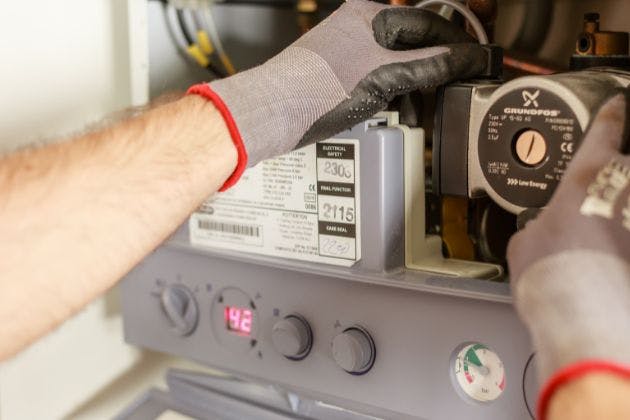
What a boiler flue does and why it matters
The flue is the pipe that takes combustion gases from your boiler to outside the property. Modern flues are usually white plastic or metal, and often run horizontally through an outside wall.
When your boiler burns gas, it produces a mix of hot gases and water vapour. The flue safely carries these outside, away from windows, doors and air vents. If the flue is poorly designed or damaged, harmful gases such as carbon monoxide may build up indoors.
Correct flue installation also affects how efficiently your boiler runs. A badly fitted or restricted flue can cause poor combustion, wasted energy, recurring boiler lockouts and potentially dangerous operating conditions.
Key siting considerations for boiler flues
Your Gas Safe engineer must follow strict positioning rules when installing or replacing a boiler flue. These rules exist to keep combustion gases away from people, neighbouring properties and building openings.
Some of the most common siting constraints homeowners hear about during surveys include:
Distance from windows and doors: The flue terminal must be a safe distance from openable windows, doors and air bricks to prevent fumes drifting back indoors.
Clearances from neighbour boundaries: If your flue points towards a neighbour's wall, garden or path, there are limits on how close it can be to the boundary.
Height above ground: The terminal normally has to sit high enough to prevent people touching it or exhaust gases blowing directly at standing height.
Position relative to walkways: Flues should not discharge straight into frequently used paths, patios or seating areas.
In some Gravesend, Medford, Redhill and Dartford properties, these rules mean your existing boiler position is no longer ideal. During a survey, the engineer may recommend moving the boiler to a different wall or even a different room so the flue can exit safely.
Condensing boilers and plume management
Most modern gas boilers are condensing models, which produce a visible white plume from the flue in cold or damp weather. This is mainly water vapour, but it can be annoying if it drifts across a neighbour's window or your own patio.
To help with this, engineers may:
Angle the flue away from sensitive areas, suggest a plume management kit to direct exhaust upwards, or choose a route that avoids blowing vapour into shared spaces. These decisions are part of the survey and can influence where the boiler is best installed.
Common flue issues found during surveys
A professional boiler survey or gas boiler installation visit often highlights problems that are not obvious at first glance. Some issues can be remedied fairly simply, while others may need more extensive work.
Typical warning signs around the flue area include:
Staining or marks around the terminal: Soot, yellowing or black streaks can suggest combustion problems or exhaust gases not dispersing properly.
Loose or sagging flue joints: Sections of flue that look misaligned, unsupported or wobbly can leak fumes into roof voids or rooms.
Unusual smells: A musty, metallic or exhaust-like smell near the boiler or flue exit should never be ignored.
Recurring boiler lockouts: If your boiler frequently shuts down and needs resetting, a flue fault or blockage may be one possible cause.
In some older properties, the flue may be hidden in a ceiling void or boxed in without proper access. Modern standards expect safe access for inspection, so your engineer may advise alterations or inspection hatches to allow future checks.
What happens during a professional flue survey
A boiler installation survey or detailed safety check looks at far more than just whether the boiler fires up. The flue route and terminal are central to this assessment.
Visual checks and condition assessment
The engineer will start with a visual inspection of the flue from inside and outside where possible. They will look for signs of corrosion, missing fixings, poor supports, joint gaps or incorrect materials.
They will also check that the flue is properly sealed where it passes through walls or ceilings and that any roof or wall terminals are firmly fixed and correctly aligned.
Combustion analysis and performance
For appropriate boilers, the engineer may use a combustion analyser to measure the gases in the flue. This helps confirm that the boiler is burning gas efficiently and that the flue is removing products of combustion as intended.
Abnormal readings can point to problems such as inadequate air supply, partial blockage or incorrect burner settings. Any such issues should be investigated and rectified by a qualified professional.
Ventilation and room safety
As part of the visit, your engineer will also consider ventilation around the boiler. While many modern boilers are room sealed, meaning they draw air from outside through a balanced flue, surrounding cupboards and enclosures still need sensible clearances.
They will also look at how close the boiler and flue are to other services, loft spaces and living areas, and whether any building alterations have compromised the original safe design.
When to call a Gas Safe engineer urgently
Do not wait for your next annual boiler servicing appointment if you suspect a flue problem. Some warning signs need same-day attention.
Contact a Gas Safe engineer urgently if you notice:
Persistent headaches, dizziness or nausea at home that eases when you go outside, any signs of soot, scorching or melting around the boiler or flue, a strong smell of gas, or your carbon monoxide alarm sounding. Switch the boiler off, ventilate the area if it is safe to do so, and seek professional help immediately.
Never attempt to dismantle the flue yourself or cover it to stop draughts or noise. Flue work must always be carried out by someone registered and trained to work safely on gas appliances.
FAQ: boiler flue rules for homeowners
Can my boiler flue go into a neighbour's garden?
In most cases, the flue should not discharge directly into someone else's property. There are strict requirements about boundaries, so your engineer will plan a route that keeps the terminal safely within your own space.
Is it safe to box in a boiler flue?
A flue can sometimes be enclosed, but only if it remains accessible for inspection and is built from suitable materials. Any boxing in should be discussed with a Gas Safe engineer before work begins.
How often should my boiler flue be checked?
Your flue should be inspected as part of your annual boiler service. Regular servicing helps pick up early signs of deterioration and ensures your system stays compliant with current safety standards.
Do I need permission to move my boiler and flue?
Moving a boiler can involve planning considerations, structural changes and flue routing issues. Your engineer can advise if any permissions may be needed and the most practical options for your property.
Book a professional boiler installation survey
If you are in Gravesend, Medford, Redhill or Dartford and are unsure whether your boiler flue is safe or in the best position, a professional survey is the safest next step. You will get clear advice on siting, flue condition and the best approach for replacement or upgrade.
To arrange a survey or talk through your options for a new boiler and flue, contact BCU Plumbing on 08002461041. An experienced Gas Safe engineer can visit your home, assess your current system and guide you through a safe, compliant installation plan.