
Expanding commercial premises often means increasing their gas demand. Adding catering appliances, installing larger boilers or converting equipment from electric to gas can all place new demands on the existing supply, and an early assessment helps prevent delays, unreliable performance and disruption to your business.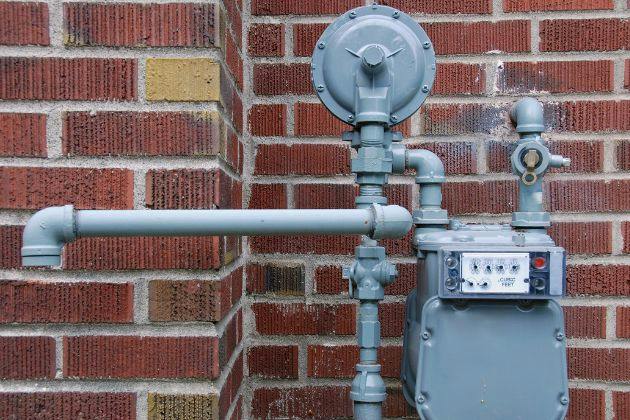
Common triggers for a gas meter upgrade
A gas meter upgrade may be needed when the total connected load of a building becomes greater than the existing meter and supply arrangement can reliably provide. This does not always mean the meter itself is the only issue, so a commercial gas survey should assess the complete installation before work begins.
Typical triggers include additional ovens, fryers, grills, boiling rings or other catering appliances in a commercial kitchen. A plant-room boiler upgrade can also increase peak demand, particularly where an older heating system is being replaced with higher-output equipment.
Tenant fit-outs are another frequent reason for a supply review. A new restaurant, takeaway, café, care facility or commercial unit may have very different gas requirements from the previous occupier. Businesses switching from electric cooking or heating equipment to gas should also confirm capacity before ordering appliances.
Additional commercial catering appliances
Higher-output boilers or hot water systems
New tenant installations or changes of use
Conversion from electric equipment to gas
Signs that existing capacity may be insufficient
One possible sign of insufficient gas capacity is equipment struggling when several appliances operate together. Burners may show weak or unstable flames, appliances may take longer to reach temperature, or boilers may fail to maintain their expected output during periods of high demand.
These symptoms should not automatically be blamed on the meter. They can also result from a faulty appliance, incorrect commissioning, a restricted regulator or undersized internal pipework. A qualified engineer needs to test the installation under load rather than relying only on how the appliances appear to perform individually.
Internal pipework issues may cause pressure to drop between the meter and appliances, even where the incoming supply and meter have adequate capacity. The location of the meter, the length and route of the pipework, fittings and the number of appliances connected can all affect the available pressure at the point of use.
Meter capacity, regulator and pipework explained
The gas meter records the gas used and has a maximum capacity that affects how much gas can pass through it. If the calculated demand is higher than the meter can support, the meter and possibly the incoming supply arrangement may need to be reviewed.
The regulator controls gas pressure as it enters the installation. Its specification must be suitable for the supply, meter and connected load. A regulator that is incorrectly sized, unsuitable or not operating correctly can create performance problems, but replacing it is not a substitute for checking the overall system.
Internal pipework carries gas from the meter to each appliance. It must be correctly sized for the total demand, pipe length, pressure available and expected simultaneous use. A business may therefore need larger pipework without a larger meter, or a meter upgrade alongside changes to the internal installation.
What a commercial gas survey should cover
A proper site survey starts with the existing installation and the proposed changes. The engineer should record the total connected load in kilowatts, review appliance data plates and establish how the equipment is expected to operate during the busiest periods.
The assessment should allow for diversity, which reflects the fact that some appliances may not run at full output at the same time. However, diversity must be applied sensibly for the type of business. A busy restaurant kitchen, for example, may have a much higher simultaneous demand than a small office with occasional hot water use.
The survey should also consider peak demand, available pressure, meter and regulator details, pipework condition and route, ventilation, appliance locations and flue arrangements. Proposed future additions should be included where possible, as designing only for today’s equipment can lead to another disruptive upgrade later.
Coordinating the upgrade
The commercial gas engineer normally assesses the building, calculates demand and designs or scopes the internal works. This may include new pipework, appliance connections, testing, commissioning and recommendations for the meter or regulator.
Where the existing meter or incoming supply is not sufficient, the gas network operator or energy supplier may need to become involved. Their role can include reviewing the available capacity, confirming connection requirements and arranging any work that falls outside the customer’s internal installation. Timescales and responsibilities vary, so coordination should begin early in the project.
Businesses should avoid purchasing new appliances or setting construction dates until the gas requirements have been checked. Sharing appliance schedules, planned operating hours and future expansion plans with the engineer will help create a more reliable scope.
Frequently asked questions
Can I add another appliance without changing the meter?
Possibly, but it depends on the existing meter capacity, regulator, incoming supply and internal pipework. A small appliance may fit within the available capacity, while a high-output fryer, oven or boiler could exceed it. A load calculation and site inspection should be completed before connection.
Who decides the meter size?
The gas engineer can calculate the required load and identify the likely meter and regulator specification for the installation. The network operator or supplier may then confirm what can be provided at the premises and what external work is required. The final arrangement should be agreed before the installation proceeds.
Arrange a commercial gas survey
Planning a kitchen expansion, boiler replacement or commercial fit-out? BCU Plumbing can help assess your existing installation and identify whether you need a meter capacity review, regulator assessment or internal pipework upgrade.
Find out more about commercial gas installations and commercial catering installations, or call BCU Plumbing on 07712172171 to book a commercial gas survey before work begins.